
In Rio de Janeiro, jazz and blues rarely travel alone. They meet bossa nova, samba, Brazilian instrumental music, soul and the many ways this city has invented of turning rhythm into company.
Some venues keep recurring nights. Others work with a programme that changes every week. There are intimate clubs, restaurants with live music, stages devoted to the blues, and projects that bring jazz into the middle of lunch.
So finding where to hear jazz and blues in Rio de Janeiro is not only about picking an address. You also need to understand the kind of night each place is offering.
Jazz finds some of its main characteristics in improvisation, in the dialogue between musicians and in the freedom of interpretation. The blues starts from striking structures, repetitions and tensions that opened the way for different genres, from rock to soul.
In Rio, these languages mix naturally. A set can start in jazz, meet bossa nova and end in a Brazilian composition. On another night, the blues might turn up alongside rock, funk, Black American music and original work.
That circulation is part of the scene. The genres don't stand still, and neither does the programming.
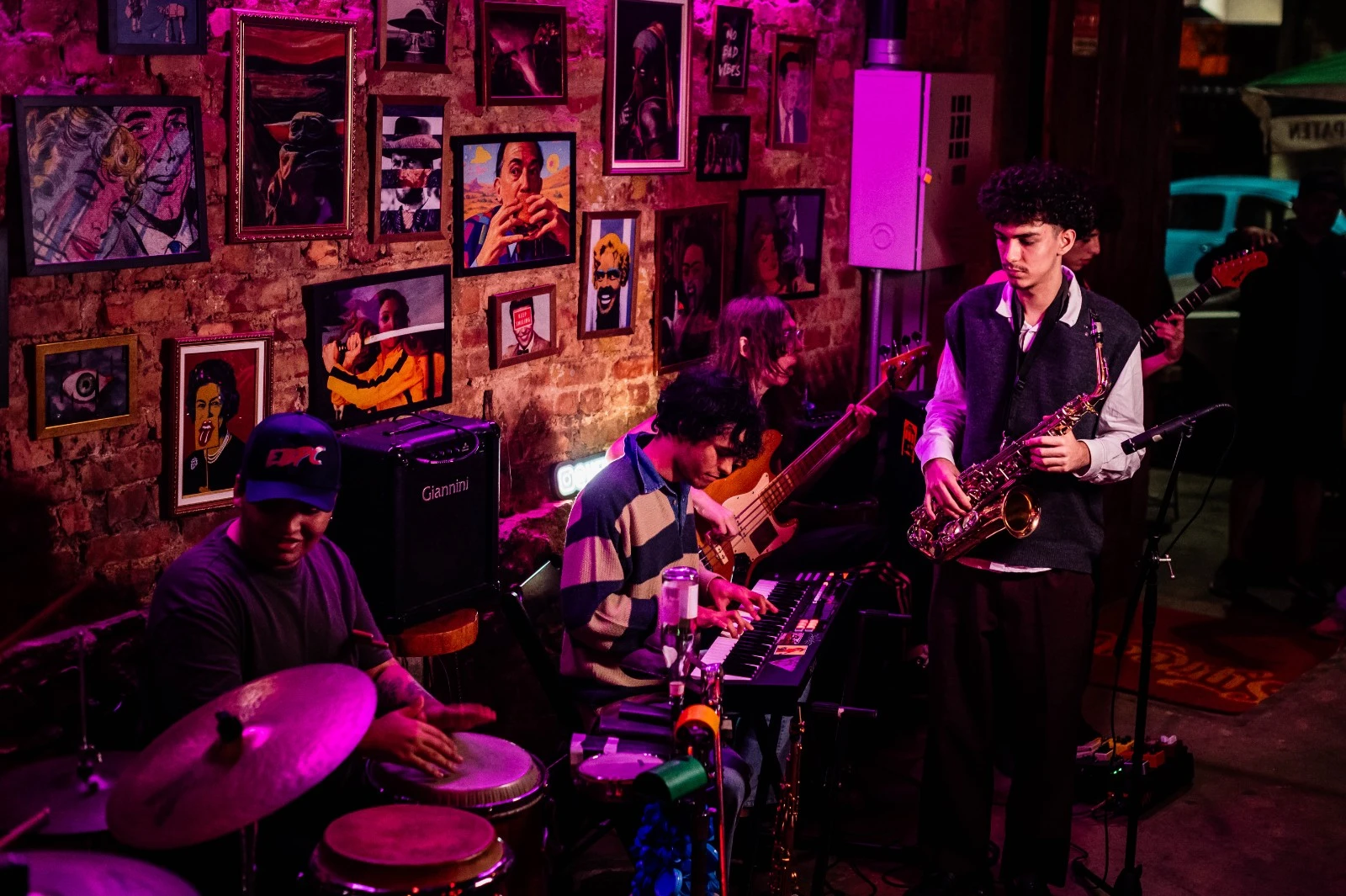
At Surreal, jazz, blues, food and cocktails share the same townhouse.
Across these nights, the stage might host jazz, blues, soul, bossa nova and other approaches to instrumental music.
The room mixes exposed brick, low light, pop art, film references and a stage built into the dining room. Music does not show up as generic background. It is part of the identity of the house.
During the shows you can get to know Surreal's original cooking and its drinks list, which brings together house creations, classics, highballs and alcohol-free options.
On live music nights there may be a cover charge. The act, the show time and the price should be confirmed on Surreal's official programme.
For anyone after an address more firmly rooted in the blues, Mississippi Delta Blues Bar holds an important place in the Rio scene.
Located in the Pequena África area, the bar was built with references to American juke joints, spaces historically tied to music, dance and Black culture in the southern United States.
The programme hosts bands and artists working in blues, blues rock, soul, folk and neighbouring genres. In 2026 the venue also hosted another edition of the Gamboa In Blues festival, confirming its place in the city's recent scene.
Blue Note Rio is the local branch of the jazz club brand born in New York.
The venue sits in Copacabana and works with jazz, instrumental music, MPB, soul and artists from different backgrounds. The format brings the stage, the restaurant and a show-by-show programme close together.
It is a good choice for anyone after a ticketed set, a fixed start time and the structure of a proper music venue.
Not every live music venue in Rio was born as one. Some started as a neighbourhood grocery and grew a stage over time.
Armazém Cardosão operates in Laranjeiras and keeps a live music programme that moves between samba, choro, MPB, jazz and original projects. The room is stripped back, with tables on the pavement and the feel of a local bar.
It is a choice for anyone who prefers live music without formality, at an address also known for its kitchen and its weekend buzz.
Beco das Garrafas holds a central place in the memory of bossa nova, jazz and samba jazz in Rio de Janeiro.
On Rua Duvivier, small clubs helped reveal musicians and turned Copacabana into one of the most important points of Brazilian music between the 1950s and 1960s.
Today the address hosts sets at Little Club and Bottle's Bar. The programme takes in bossa nova, jazz, samba jazz and artists tied to Brazilian music. The official diary published for September 2026 confirms the space is active, with sets spread across the month.
Clube Manouche operates in the basement of Casa Camolese and hosts a programme that crosses jazz, Brazilian instrumental music, MPB and original projects.
The venue is not devoted exclusively to jazz. That is precisely one of the things that makes it interesting. The stage lets you follow artists who move between genres and propose different readings of contemporary Brazilian music.
In September 2026 the official programme features names tied to instrumental music and projects such as the Brazilian Instrumental Music Series.
Not every jazz set has to happen after the city goes dark.
The Jazz no Sobrado project brings live music to Sobrado da Cidade, a historic townhouse in central Rio. The idea pairs lunch, heritage and live sets at a calmer hour.
The project usually happens on Saturdays, from 1.30pm, with repertoires that can take in jazz, bossa nova and instrumental music.
To choose where to hear jazz and blues in Rio de Janeiro, it is worth thinking beyond the genre.
Anyone hoping to combine jazz, blues, dinner and drinks will find a recurring programme at Surreal, in Botafogo. For a night firmly centred on the blues, Mississippi Delta Blues Bar has the most specific proposition on the list.
Blue Note Rio offers the structure of a proper music venue, while Armazém Cardosão goes for live music with the feel of a local bar.
Beco das Garrafas adds history to the itinerary. Clube Manouche works with a broader curation. And Jazz no Sobrado turns the genre into a lunchtime plan.
There is no single correct way to listen to jazz.
It can be in front of a silent stage, in the middle of dinner, or on an afternoon downtown. What matters is knowing what kind of evening you are looking for.
Music programmes are alive. Artists can change, sets can be added and times can shift. Before visiting any venue, check:
When any of this is not available on the official channels, contact the venue directly. Improvisation works better on stage than in planning the night.
Tuesday is jazz night. Wednesday belongs to the blues. Thursday opens space for encounters between different sounds. The weekly programme can be followed on the official site and on Surreal's Instagram.
Book a table