
November brings Rio closer to summer. Temperatures rise, the beaches get busier and the calendar fills with festivals, concerts, architecture, crafts, sport and national holidays.
The month is also good for exploring other landscapes in the state. While the city combines beach, museums, music and food, Itaipava hosts two weekends of Rock the Mountain.
Between a day outdoors and a rainy afternoon, November offers different ways to move around the city.
November usually brings hot days, higher humidity and more frequent rain.
These figures are averages observed over several years. Some days can pass 30°C, while a cold front can bring quick drops in temperature, wind and rain.
Check the daily forecast before outings such as Cristo Redentor, Pão de Açúcar, trails and beaches. Outdoor activities work better in the morning, when the heat tends to be milder.
Packing for November means mixing light clothes with items ready for rain.
Anyone heading to Itaipava should pack something slightly warmer. Temperatures in the mountains can be cooler at night.
The November calendar brings together music, architecture, Japanese culture, crafts, sport and major shows.
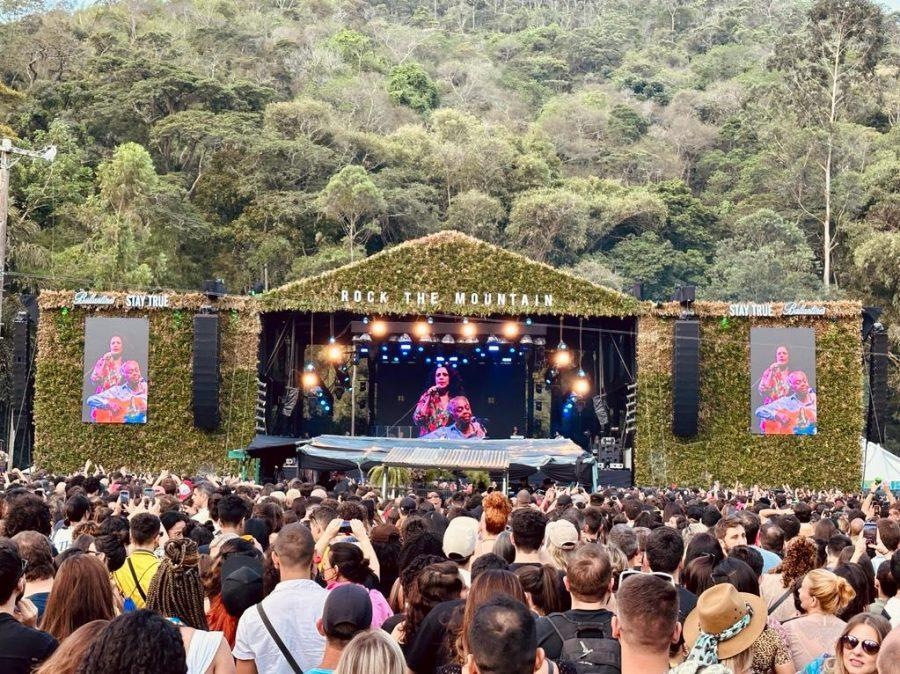
Rock the Mountain takes over two weekends in the mountains of Rio de Janeiro state. The first leg runs on 30 and 31 October and 1 November. The second weekend takes place on 6, 7 and 8 November, according to the official site.
The festival takes place in Itaipava, a district of Petrópolis, and brings together music, art, food, fashion and outdoor experiences.
Travelling from the city takes planning. The distance, the traffic and the closing time make staying in the area a comfortable option for anyone going more than one day.
Travel should be arranged in advance, especially for the second weekend, when demand for accommodation and transport tends to rise.
CASACOR Rio 2026 stays open until 15 November. The show brings together architecture, design, art, landscaping and food. Each space presents a reading of how we live, work, host and share.
November is the last chance to see this edition. The official listings give 15 November as the closing date. Since the visit covers several spaces, it is worth setting aside a few hours. Advance tickets and checking the opening times help organise the outing.
The Surreal blog has a full guide to CASACOR Rio 2026.
Praça da Apoteose hosts the Maratona da Alegria on 7 November. The festival run by FM O Dia marks 16 years with more than 12 hours of music across two stages. The line-up brings together well-known pagode names and artists of the new generation.
The length of the event calls for some care:
Praça da Apoteose is in the central area, near the Sambódromo. Public transport can make arriving and leaving easier on busy days.
The show is in Barra da Tijuca and is part of the singer's Brazilian tour in 2026.
Anyone staying in Botafogo, Copacabana, Flamengo or the Centro should allow more travel time. Metro, BRT, taxi and ride apps can be combined, and the journey back is worth planning.
The Christmas special takes place in the outdoor area, standing only, next to the Parque Olímpico.
Being outdoors, the forecast is part of the preparation. Check the rules for bags, raincoats and other items.
Between 25 and 29 November, Pier Mauá hosts the first edition of the Festival ArpoArte. The event brings together Brazilian folk art and crafts, with master artisans, associations, cooperatives and makers from different parts of the country. It takes in traditional knowledge, original pieces and contemporary work.
The visit can be combined with a route through the port district:
The VLT tram helps with getting around the area.
The first days of November still carry events that began at the end of October. The Mondial de la Bière stays at Pier Mauá until 1 November, with craft beer, food and music.
At Riocentro, the Carioca Matsuri runs until 2 November, with Japanese culture, east Asian food, workshops and performances.
The two events are in different parts of town. Pier Mauá is in the central port area. Riocentro is in the Barra Olímpica.
November has three national holidays, confirmed in the federal government's official calendar.
The holiday on 20 November creates a long weekend. Beaches, tourist attractions, bus stations, airports and roads can be busier between Friday and Sunday.
Black Awareness Day also widens the programming devoted to Afro-Brazilian culture. Museums, cultural centres, samba circles, memory spaces and city institutions usually prepare activities around the date. The specific programme should be checked close to the holiday.
Hot days are good for a walk along the shore.
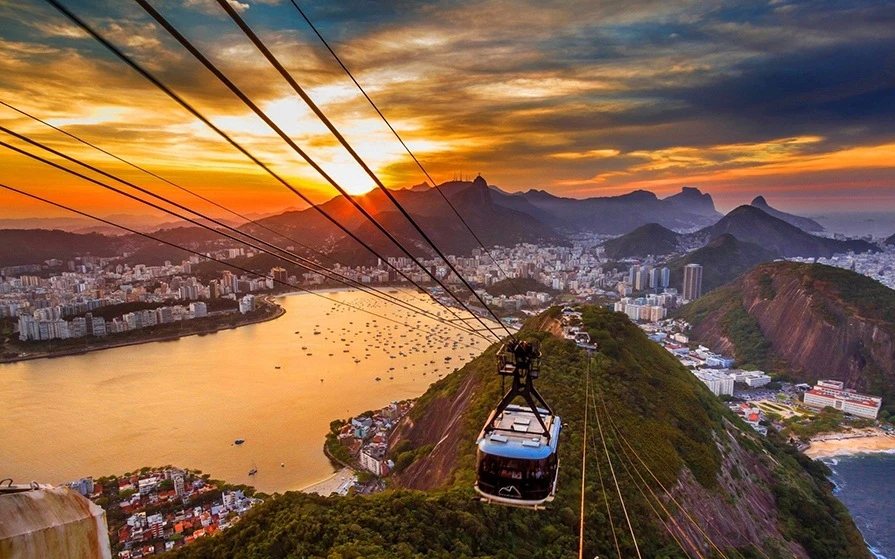
In Urca, a small stretch of sand with a view of the hills. The walk can carry on along the Pista Cláudio Coutinho or up the Pão de Açúcar cable car.
Walking between the two lets you take in different parts of the shore. The Forte do Leme and the Forte de Copacabana can be part of the route.
Arpoador is one of the best-known spots for watching the sunset. From there you can also carry on on foot through Ipanema and Leblon.
A longer stretch, between Barra da Tijuca and Recreio. Getting there is usually easier by car, taxi or ride app.
Before going into the sea, check the water quality reports and the lifeguards' guidance.
November goes well with attractions that open early.
The avenues of trees, themed gardens and plant collections make for a calmer visit in the morning.
Gardens, architecture and trails. The visit can be combined with the Jardim Botânico, which is nearby.
Viewpoints, trails and forest. Heavy rain can make paths slippery and affect access.
It can be done by bike or on foot. Late afternoon usually brings more comfortable temperatures.
November can bring heavy downpours and quick changes in the weather. For rainy days, the route can include:
On days of heavy rain, shorter journeys help you make better use of the time. Keeping activities within one neighbourhood reduces the dependence on traffic.
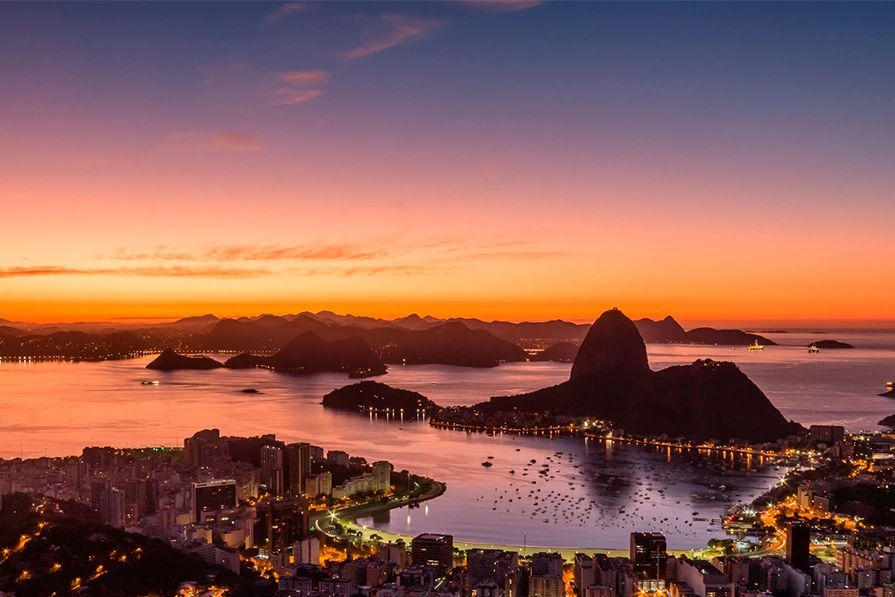
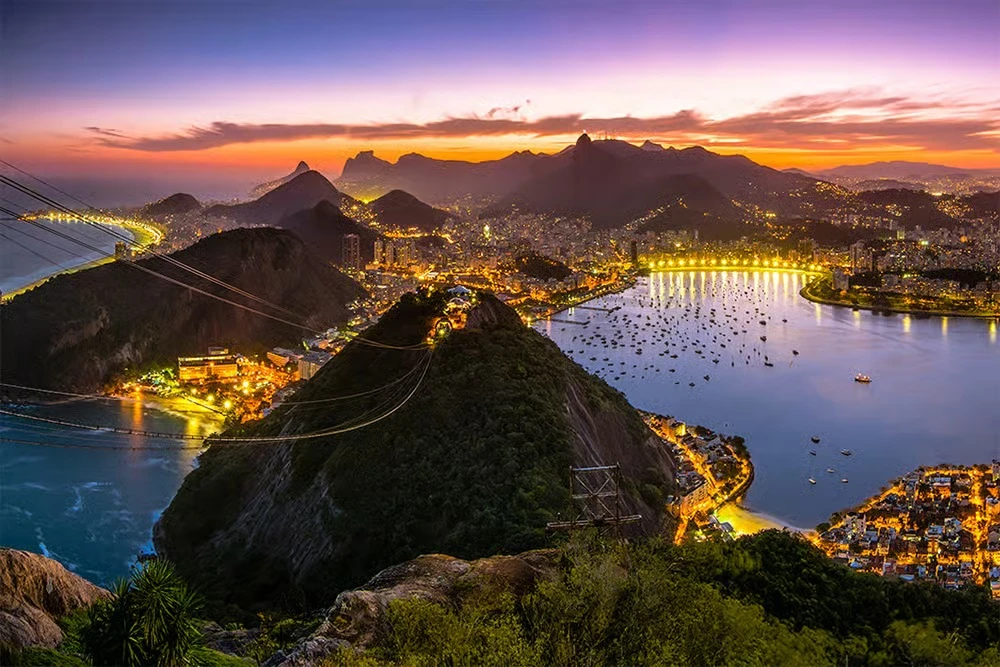
Botafogo has metro access and a strategic position between Centro, Urca, Copacabana, Jardim Botânico and Lagoa. The neighbourhood has cinemas, museums, bookshops, cultural spaces, restaurants and live music. It also has one of the best-known views of Pão de Açúcar.
A route through the neighbourhood can start at the Casa de Rui Barbosa, pass the Casa Firjan and carry on to the Praia de Botafogo. At night, cinemas, theatres, bars and restaurants widen the options. The article Botafogo beyond the obvious presents other cultural spots in the neighbourhood.
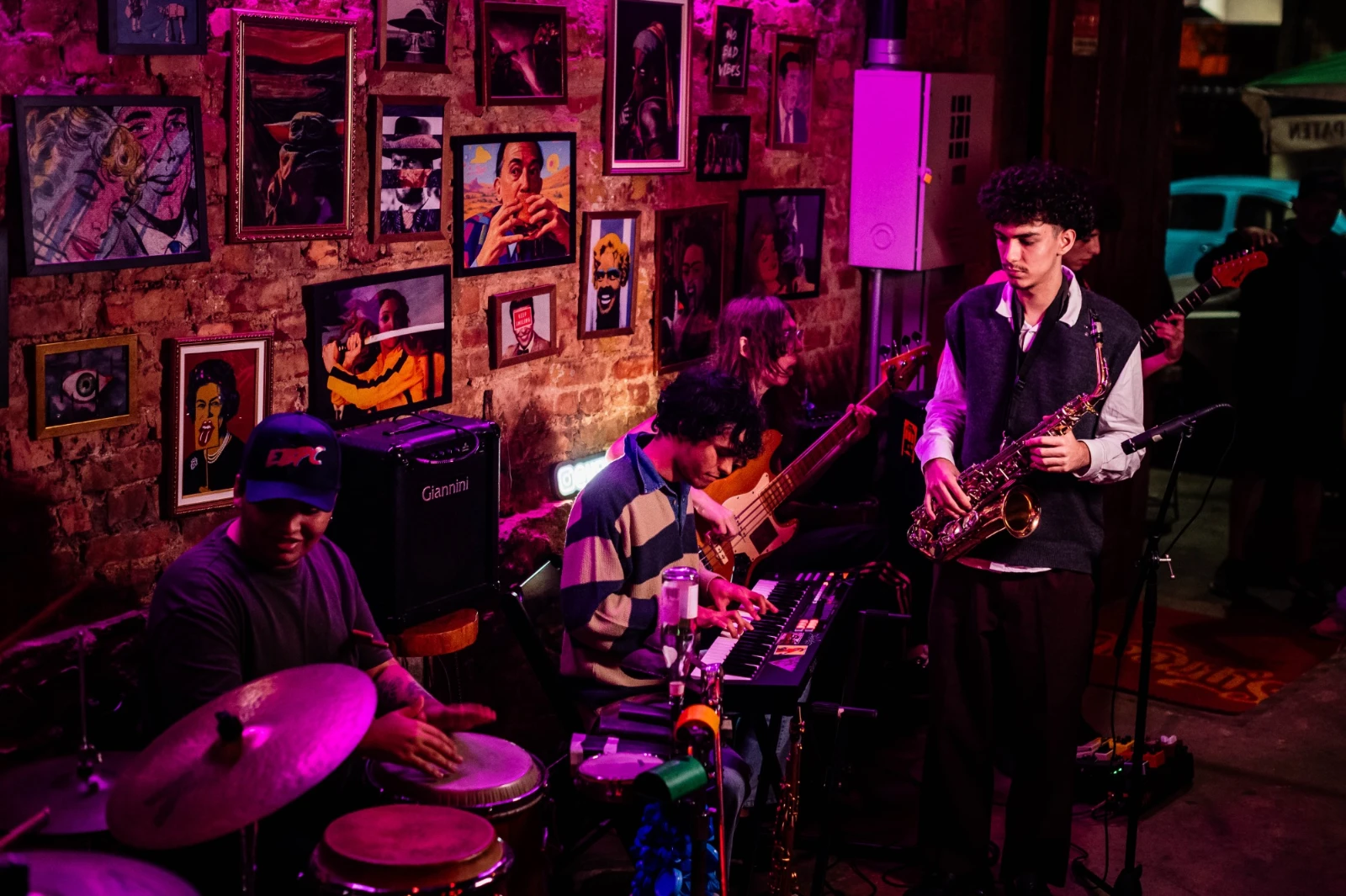
The house brings together original cooking, cocktails, art, pop culture and a music programme. Jazz, blues, soul, bossa nova and Brazilian sounds appear on different nights of the week. Lunch is served every day, from noon to 4pm.
The music listings should be checked on the site or on Instagram. On live music nights there may be a cover charge.
November brings heat, rain, holidays, festivals and big concerts. The calendar runs through the mountains of Petrópolis, the Praça da Apoteose, the stages of Barra da Tijuca, the cultural spaces of the Centro and the restaurants of Botafogo.
The forecast helps set the pace of each day. Mornings can go to the outdoors. Rainy afternoons find shelter in the museums. At night, the city carries on through stages, cinemas, bars and tables.
In Rio, November starts rehearsing summer while the cultural calendar carries on filling the city.