
Rock in Rio 2026 runs on 4, 5, 6, 7, 11, 12 and 13 September. How to get there, how to prepare, and what to do in Rio on the days with no show.
Everyone is talking about the seven days. Nobody is talking about the rest.
Rock in Rio 2026 happens on 4, 5, 6, 7, 11, 12 and 13 September. Between the first and second weekends there are three days with no show — the 8th, 9th and 10th — and around them a whole month of a city going about its business. Anyone coming from abroad will spend more time in Rio than in the Cidade do Rock. Anyone who lives here will get through the whole of September with the traffic rearranged.
This piece is about both things: the festival, and what exists around it.
Seven days split into two blocks. The first has four days in a row, 4 to 7 September, and falls on the Independence Day holiday, which means a full city and expensive hotels. The second block has three days, 11 to 13.
On the main stages, each day has its big name. This edition brings together 45 international acts, fifteen of them in exclusive shows that happen only at the Cidade do Rock.
Beyond the Palco Mundo, the festival runs the Palco Sunset, New Dance Order, Espaço Favela, Global Village and Supernova. Gates open at 2pm, with entry allowed until midnight. Shows start around 3.30pm on the smaller stages and 4.40pm on the bigger ones.
Tickets are sold exclusively through Ticketmaster. General sale opened on 8 June, and some days sold out in a little over two hours. It is worth checking availability before making any other plans.
This is the part that separates the people who enjoy it from the people who spend the night furious.
Metro plus BRT is the official route. During the festival, Jardim Oceânico station runs 24 hours for boarding and alighting and serves as the interchange with the BRT Expresso Rock in Rio, which goes straight to the stop opposite the Cidade do Rock.
The lines run on a special schedule: Lines 1 and 4 operate between Uruguai and Jardim Oceânico; Line 2 runs between Pavuna and Botafogo, with transfers between Lines 1 and 2 available throughout the festival.
BRT Expresso tickets cost R$ 29 and are sold only through the Jaé app, with a limit of ten per person per festival day. The boarding QR code appears in the app one week before the event and is valid only for the date purchased. The metro fare is R$ 7.90 each way. Adding the return trip and the BRT, the journey comes to R$ 44.80.
There is no official parking at the Cidade do Rock, road closures around it start at 2pm and run until 5am. Ride-hailing apps don't reach the door: the drop-off point is the Riocentro car park, about a two-kilometre walk away.
If you want comfort, Primeira Classe is the festival's official transport, with coaches leaving from twenty points across Rio and Greater Rio and dropping off at an exclusive entrance, near the New Dance Order stage. Sold through Ticketmaster.
September is the month Rio changes season. Winter ends, spring begins, and the city sits in that interval where you can walk around at three in the afternoon without suffering, which nobody does in January.
What that means in practice: bring layers, not a coat. The days warm up and the nights cool down, and the wind in Barra at midnight is not the same wind as Ipanema at noon. A quick shower happens. Check the forecast the day before, not the week before.
The 7 September holiday falls inside the first block of the festival, which pushes everything up: accommodation prices, queues at tourist attractions, travel times. If you have a choice, the 8th, 9th and 10th are the best days of the month to see the city, with the festival paused, the holiday over and the tourists still in bed.
Three free days in the middle of the festival — 8, 9 and 10 September — with the city practically free of queues.
Sugarloaf, early. The cable car in Urca works best before ten in the morning, before the tour groups arrive. From Praia Vermelha, the walk up the Pista Cláudio Coutinho is free and delivers nearly the same view.
The historic centre on foot. Praça XV, Arco do Teles, Paço Imperial and Rua do Lavradio are all within walking distance of each other. It is the part of Rio that almost no festival visitor sees.
Santa Teresa by tram. Narrow streets, studios, old houses. You go up by tram and come down on foot via the Escadaria Selarón.
Jardim Botânico and Parque Lage. Two neighbouring addresses, both green, one of them free and at the foot of Corcovado.
Botafogo. This is where this piece will spend the most time, and the reason is practical, not sentimental.
Botafogo is the neighbourhood that Rock in Rio turns into a corridor without anyone noticing.
Look at the metro map: Line 2 runs between Pavuna and Botafogo, and that is where you transfer to Line 1, which carries on to Jardim Oceânico. Anyone coming from the centre, the Zona Norte or Greater Rio passes through Botafogo. Anyone heading back does too.
The neighbourhood has two metro lines, the highest concentration of original kitchens open during the day in the Zona Sul, and places that open at noon. That solves exactly the problem of anyone who needs to eat before facing seven hours of festival.
And there is the Lado S.
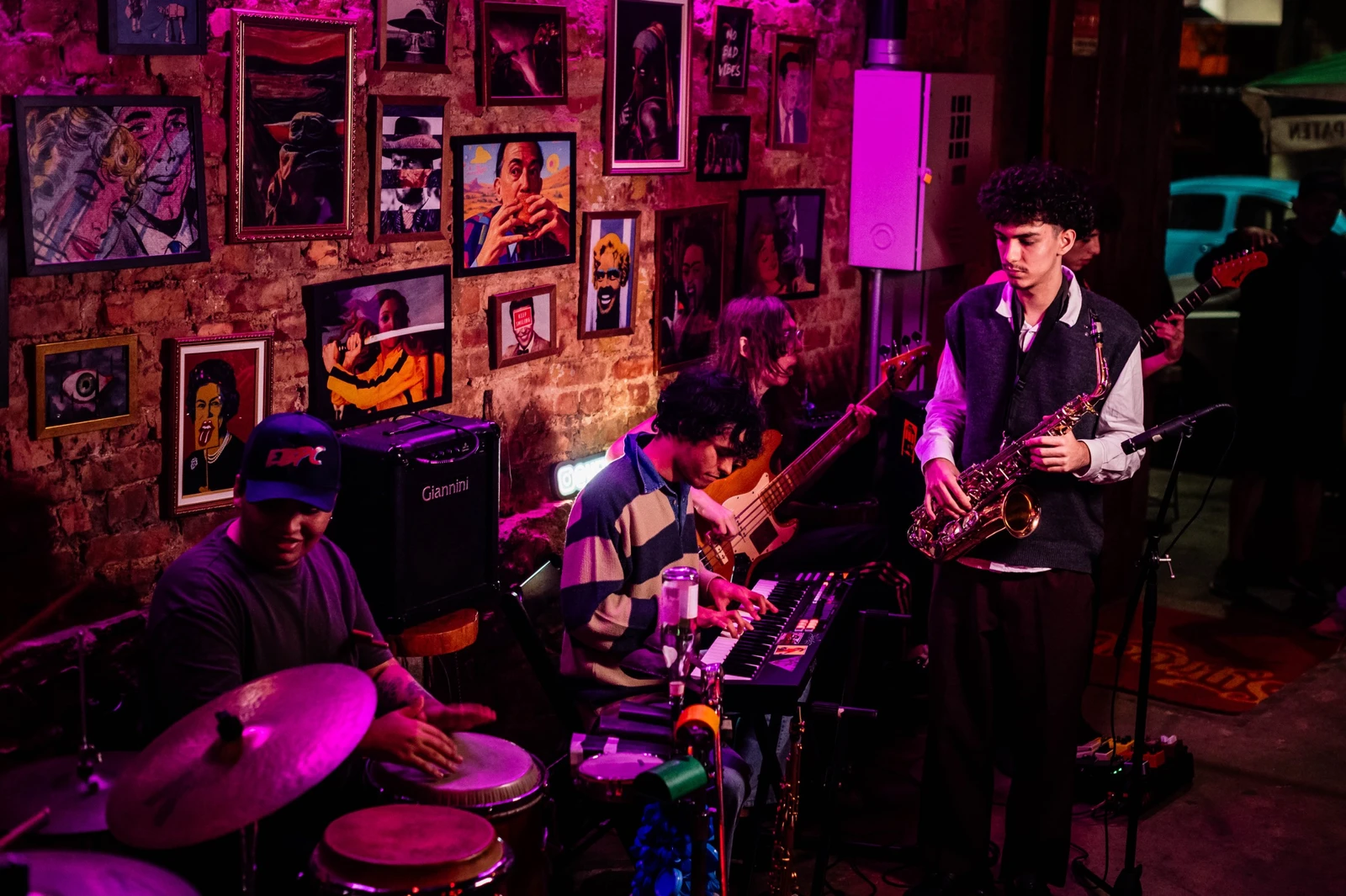
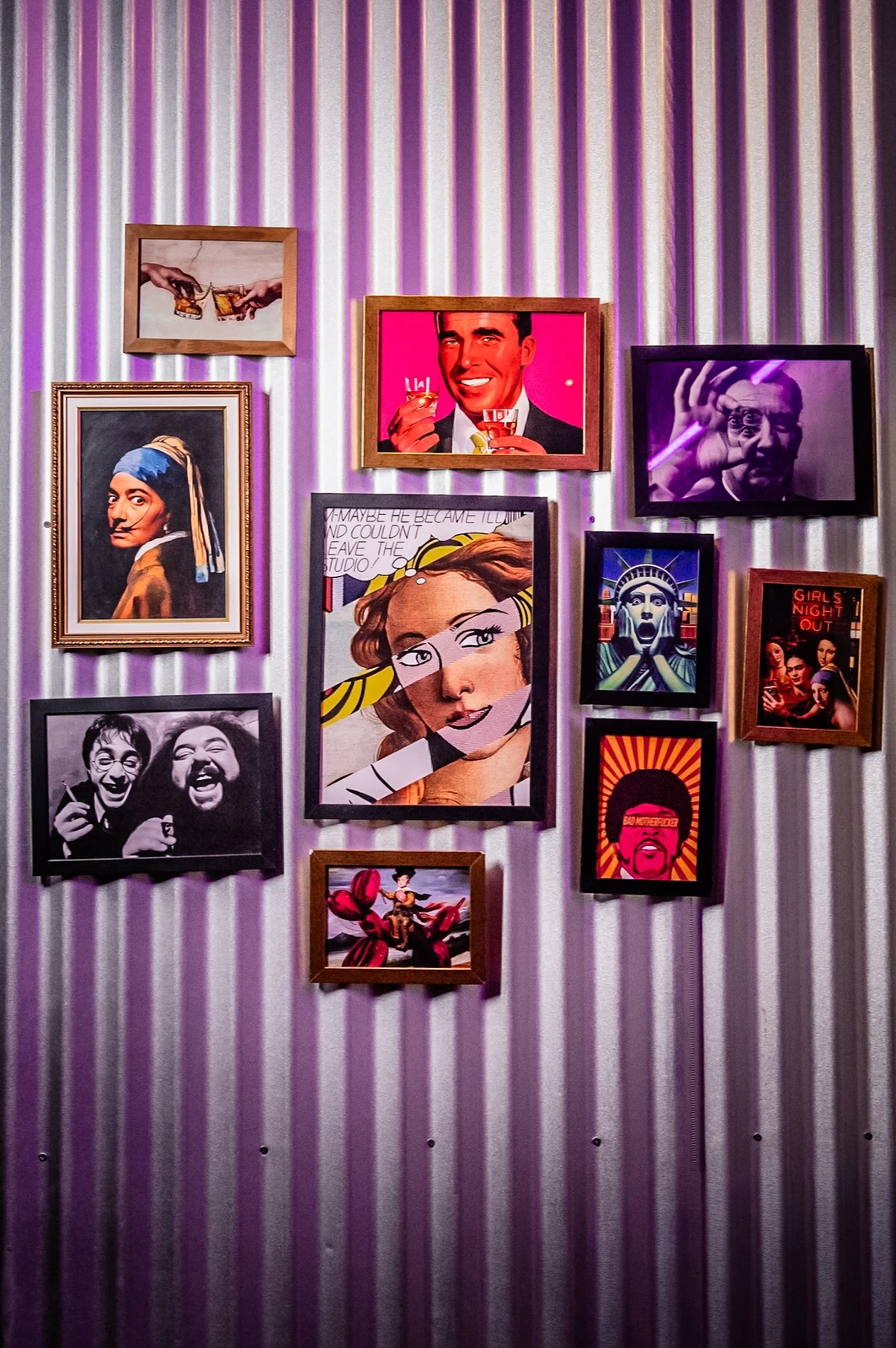
It sits at Rua Paulo Barreto, 102, in a 1938 townhouse with a main room, a mezzanine and an inner garden. The street is named after João do Rio, the columnist who invented in this city the craft of walking around at night and writing about what it pretended not to see. For a house that defines itself by the absurd and by counterculture, it is a reasonably perfect coincidence of address.
The kitchen treats cinema as an ingredient. The dishes are named after film and television references: the Dalí Dog has rib sausage, house mayo, Dijon mustard, vinaigrette and coriander shoots in a milk bun. The Ancho em Chamas arrives flambéed at the table, with 250 grams of black-faced ancho steak, roti sauce and rosemary. The menu also has starters, burgers, set lunches and mains.
The cocktails are original, built from the same universe of film, art and pop culture, rather than the standard list repeated from bar to bar.
And there is Ato III. A music programme with nights of blues, jazz and bossa, plus DJs. It is the house doing what it promises: what happens there is not only a meal.
The house is preparing a launch aimed at festival-goers. The name has not been revealed yet and will come out first on @surrealrio.
The simplest route to the festival, and almost nobody is talking about it.
On the way back, Jardim Oceânico station runs 24 hours and the others stay open through the night for alighting, Botafogo included.
An honest warning: the shows end in the early hours, and no place in Botafogo will be open when you get off the train. Surreal Bar solves the before, not the after. For the after, the plan is to sleep.
And the before, in September, comes with news. Follow it on @surrealrio.
If you came for both weekends, you have three idle days in the middle. One suggestion for using them:
The classic mistake is trying to fit the city into the show days. It doesn't work: anyone who goes in at 2pm and leaves at 4am visits nothing the following day.
Rock in Rio lasts seven days every two years. The city lasts the rest.
What stays with you from September, if you came from abroad, is almost never the show. It is the walk nobody planned, the bar that turned up on the way to the station, the empty afternoon in a neighbourhood that was not on the itinerary.
The festival is the reason for the trip. It doesn't have to be the whole subject of it.
Rua Paulo Barreto, 102, in Botafogo, a few blocks from Botafogo metro station. Line 1 straight to Jardim Oceânico.
Book a table