
Across three weekends, the Jockey Club Brasileiro hosts kitchens, producers, chefs, musicians and all kinds of stories tied to food.
Rio Gastronomia 2026 takes over the Pião do Prado between 17 September and 4 October, bringing food, talks and entertainment together in a programme spread across 12 days.
For Surreal, food is also a way of reading the city. Ingredients, recipes, bars, restaurants and habits at the table say a great deal about the identity of a place. The festival offers a broad portrait of that movement, gathering Rio traditions, signature kitchens, small producers and experiences designed for different audiences.
The 16th edition has more than 30 confirmed venues, classes with chefs, talks, a producers’ market, family attractions and a music programme running through every weekend. Details are available on the official channels of Rio Gastronomia 2026.
The event runs in three stages:
The split lets visitors pick different days, follow specific attractions and build their own route through the festival. Each visit can follow one interest: restaurants, artisanal products, classes, music or flavours tied to the city's history.
The format also encourages experimenting. Portions created especially for the event make it possible to try different kitchens in a single visit. Starters, mains, sandwiches, pizzas, desserts and Brazilian recipes share the space across the Jockey.
The 2026 programme helps identify some currents running through Rio's food scene. These are trends that show up both at large events and on menus across the city.
Traditional recipes, historic botequins and flavours tied to the neighbourhoods gain visibility in this edition.
The Patrimônios do Rio space presents, each weekend, a house recognised for its link to Rio culture. Bar Urca, Bar da Portuguesa and Bode Cheiroso take part at different times, sharing dishes and stories that cross generations.
According to Riotur, the initiative celebrates venues recognised as Carioca Cultural Heritage and highlights the relationship between food, territory and memory.
That presence confirms something important: the history of a city can also be preserved through recipes, counters, kitchens and ways of serving.
The list of participants brings together Brazilian, Italian, Portuguese and Japanese cooking, parrilla, pizzas, pastry and contemporary proposals.
That diversity matches the behaviour of an audience keen to move between references. A single outing can include a comfort recipe, a signature combination, an artisanal product and an elaborate dessert.
Rio's food scene grows precisely out of those encounters. The city takes in influences, adapts techniques and creates flavours of its own, keeping a close relationship with informality, outdoor life and the pleasure of sharing a table.
The producers' market brings the public closer to ingredients, processes and the people behind each product.
Sauces, cheeses, sweets, drinks, coffees and artisanal items carry decisions about origin, time, method and territory. Knowing those stories widens the experience and helps make sense of the work done before each product reaches the table.
The presence of producers also strengthens a food culture connected to shorter chains and regional identities. The ingredient stops being merely technical and starts to communicate provenance, knowledge and culture.
Classes, demonstrations and talks turn the festival into a place of exchange. Visitors follow techniques, listen to professionals and better understand the choices behind a dish.
That interest in the backstage already shows in how people behave at bars and restaurants. They want to know how a recipe was built, where a particular ingredient came from and which reference inspired a combination.
Knowledge adds new layers to the experience. After watching a technique or hearing a story, people start noticing details that might otherwise pass unseen.
The music programme runs across the event's 12 days and reinforces the link between food and culture.
Samuel Rosa opens the festival on 17 September. The line-up also includes Mãeana, Fica Comigo, Pretinho da Serrinha, Marcelo D2, Blitz, Samba Que Elas Querem, Silva, Ferrugem, Arlindinho and Bloco da Favorita, plus DJs, brass bands and attractions for children.
The concerts help create different atmospheres through the day. Saturday lunch, late afternoon and night each take on their own rhythm, letting every visitor pick the moment closest to the kind of experience they are after.
The official programme may change, especially for activities held outdoors. It is worth checking the times before visiting.
A festival with dozens of options asks for some organisation. Checking the list of participants, the classes and the concerts in advance helps set priorities.
Rio Gastronomia 2026 presents a city built by very different kitchens. There is room for the memory of the botequins, for contemporary creations, for artisanal products, for recipes from other parts of Brazil and for international references.
Taken together, it shows how Rio's food scene stays in motion. Techniques circulate, ingredients find new uses and traditional recipes keep gaining interpretations.
Every dish carries an aesthetic, cultural and emotional choice. By gathering so many proposals in one place, the festival lets you watch Rio turn its history into flavour.
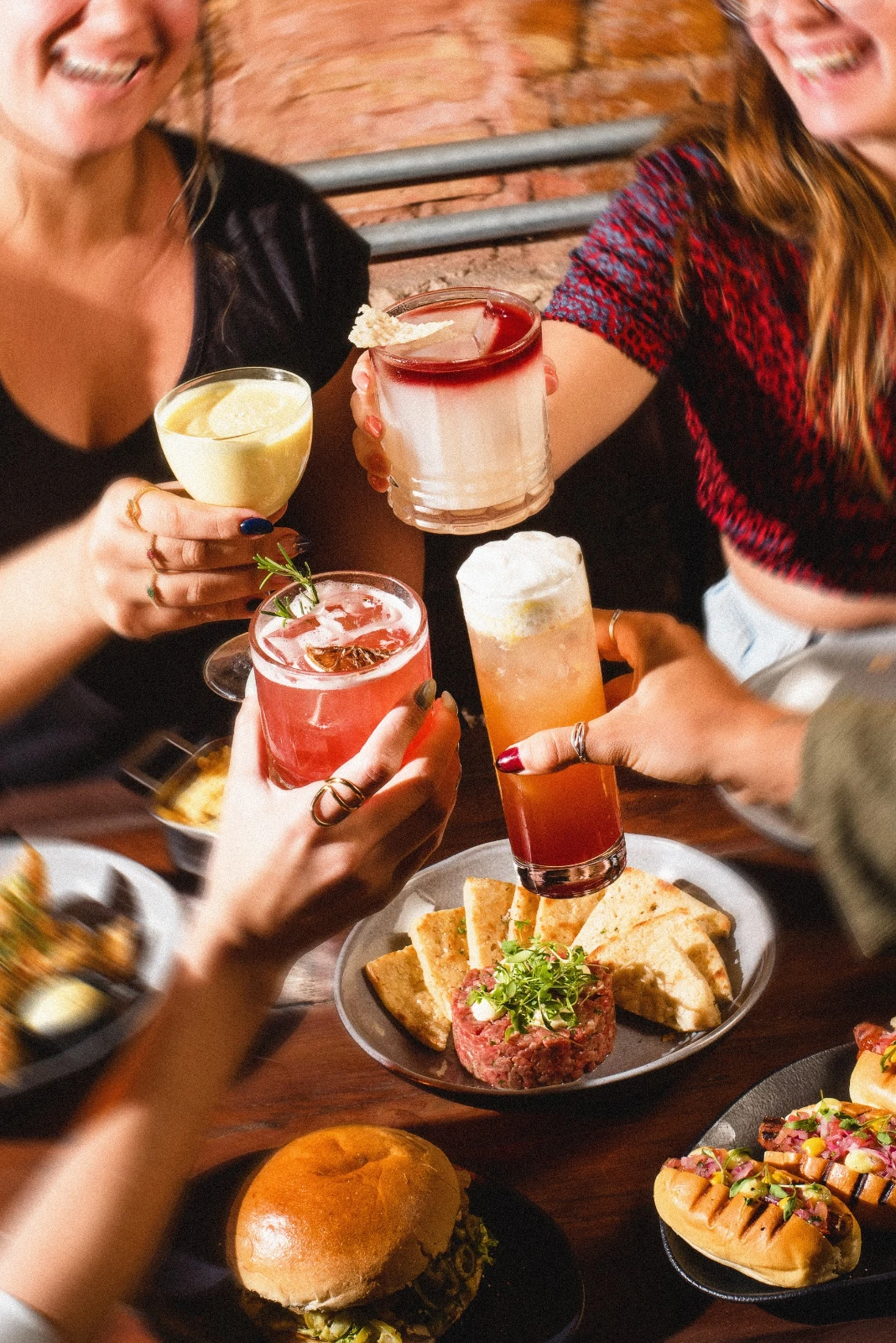
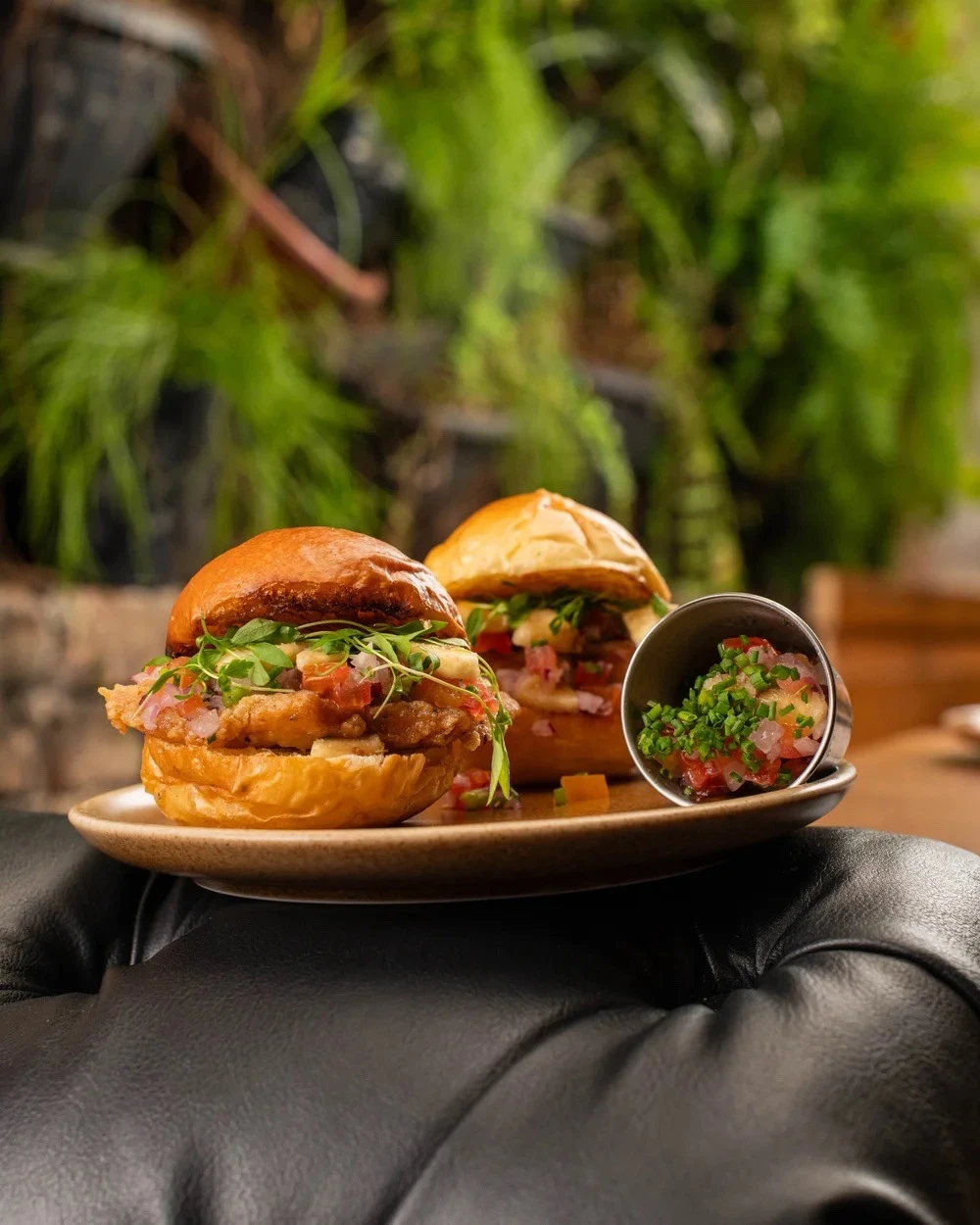
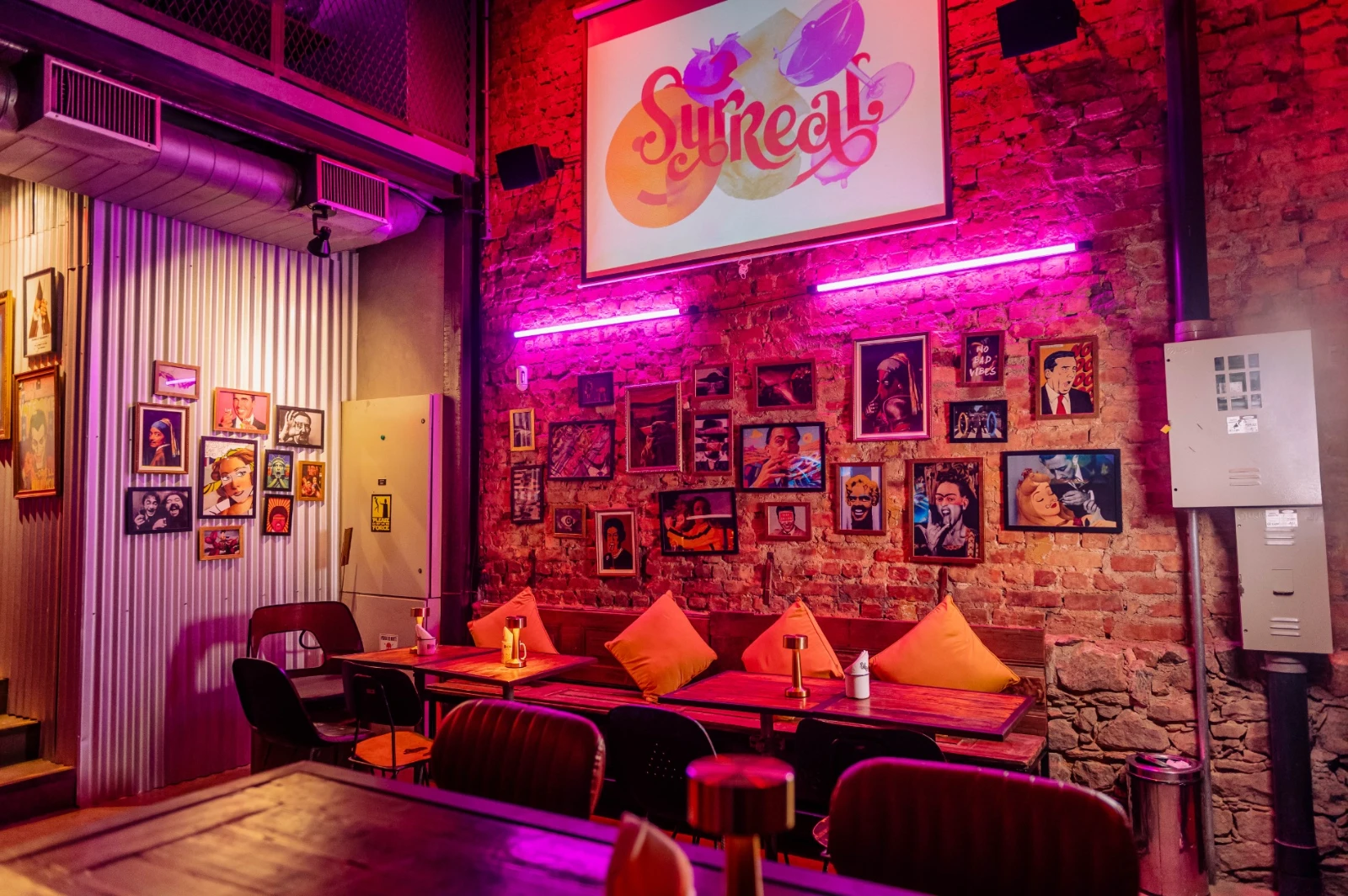
At Surreal, that connection between food, art, music and culture guides the experience too. The menu draws on cinema, visual arts and pop culture to create dishes with an identity of their own. The curiosity the festival stirs can carry on at the table, in Botafogo.
Tickets available on Ticketmaster. Prices and availability should be checked at the time of purchase.
Cinema, visual arts and pop culture on the menu of a townhouse in Botafogo. The curiosity of the festival carries on here.
Book a table