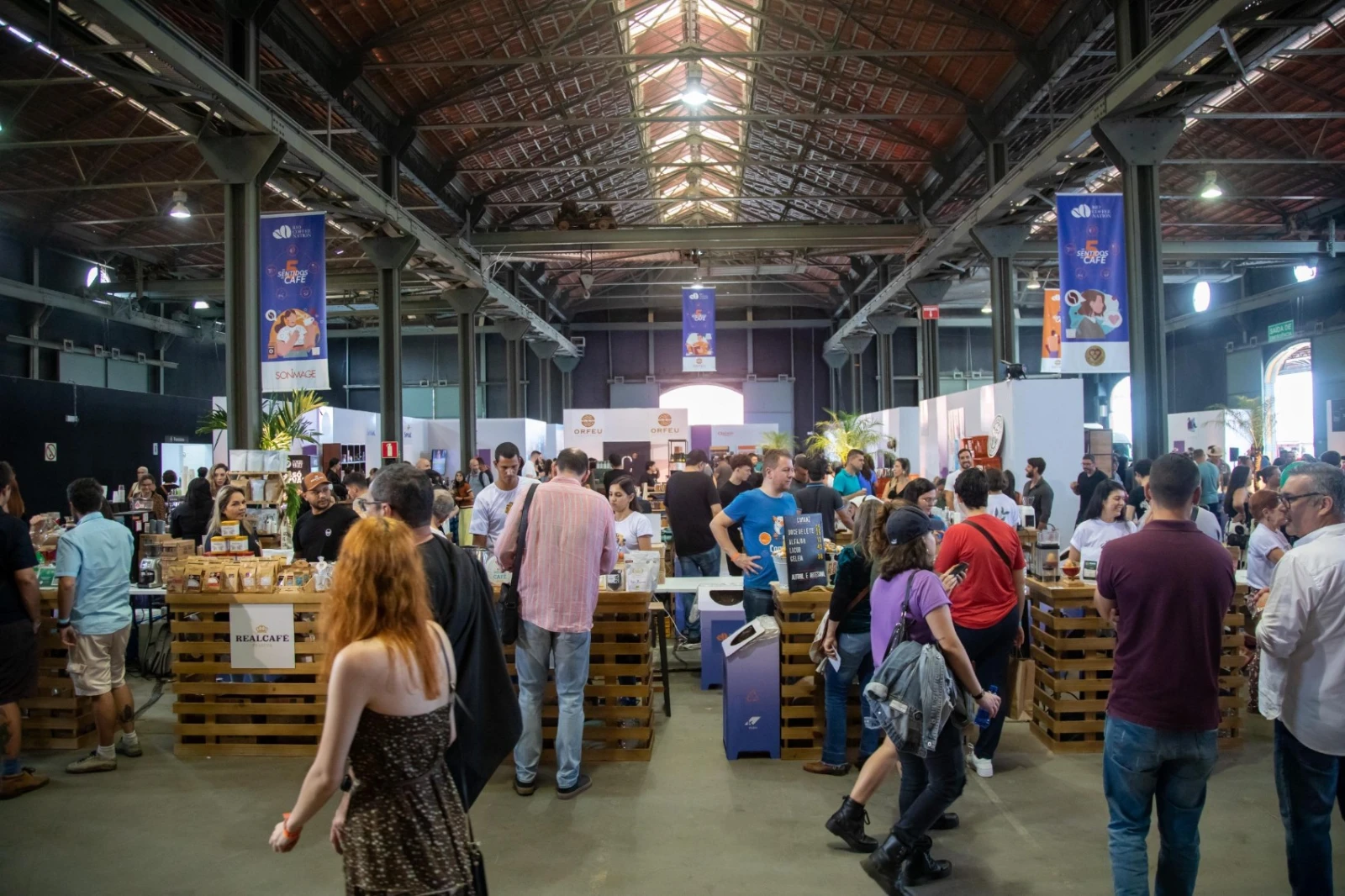

Coffee opens the morning, closes lunches, keeps meetings going and shows up more and more in desserts and cocktails. In October, that range fills EXC, at the Jockey Club Brasileiro.
The seventh edition of Rio Coffee Nation brings together growers, baristas, roasters, coffee shops, chefs, bartenders, brands and anyone interested in getting to know one of the most present drinks in Brazilian daily life.
Across two days, visitors will be able to taste coffees from different regions of the country, talk to the people involved in production and find out how origin, roast and brewing method change what ends up in the cup.
Between the field and the table there is a chain made of growers, researchers, graders, roasters, baristas and traders. Each professional affects the quality, aroma and flavour perceived at the moment of drinking.
Rio Coffee Nation brings those stages closer to the public. A tasting gains context when the visitor finds out where the bean came from, how it was processed and which method brings out its character.
That conversation also helps explain why two coffees can show such different profiles. Some recall chocolate and nuts. Others bring sensations linked to fruit, flowers, caramel or spices.
The programme announced by the organisers brings together tastings, conversations with growers, content on origin and trends, culinary presentations and experiences led by professionals from the sector.
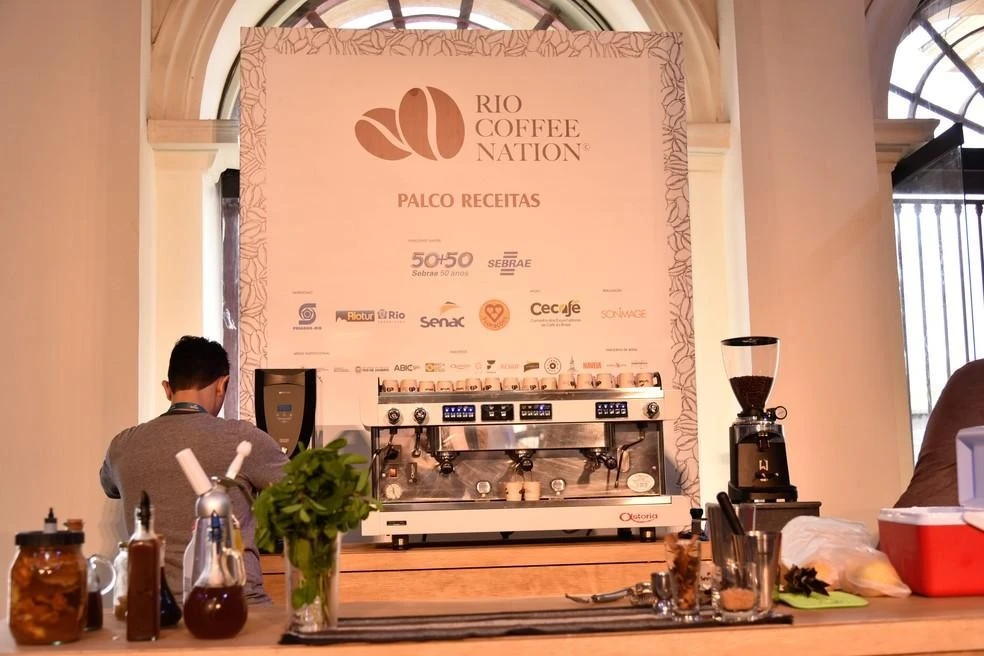
On the RCN Stage, chefs and bartenders will work with coffee in sweet recipes, savoury preparations, desserts and drinks. The idea widens the perception of the ingredient and shows how its aromatic notes can take part in different combinations.
The ticket includes entry to the event, the stage programme and the scheduled tastings. Some workshops, products and specific experiences may be charged separately, according to the conditions set by the organisers.
The attractions are confirmed on the official Rio Coffee Nation 2026 ticket page.
A tasting gets more interesting when a few elements get attention. The aim is to notice the characteristics that appear in the cup and recognise which profiles suit your own palate.
Comparing two or three cups makes those differences easier to spot.
Brazil has growing regions with varied altitude, climate, soil and farming practices. Those conditions influence how the fruit develops and help create distinct sensory identities.
The processing done after harvest also shapes that result. The way the pulp and the moisture are removed can bring out sweetness, acidity, body or fruity notes.
In the next stage, roasting seeks to develop the aromatic compounds in the bean. Lighter roasts tend to preserve more perception of acidity and origin. More developed roasts can show toasted, chocolate and caramel flavours with greater intensity.
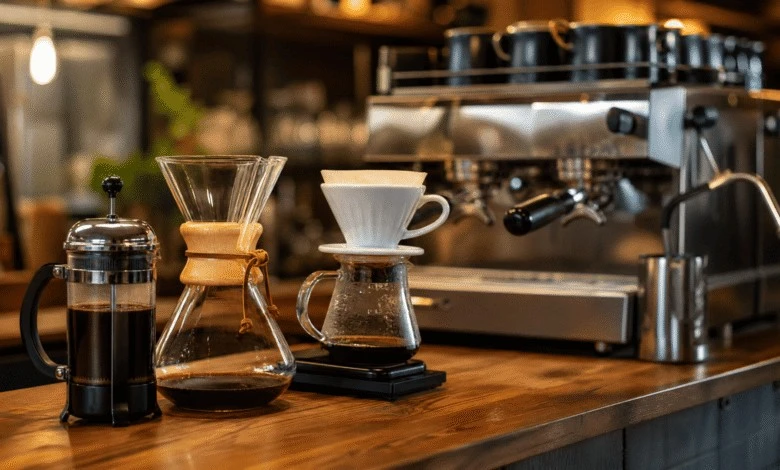
Brewing completes the journey. The amount of coffee, the grind, the water temperature and the extraction time all change the drink. Filter methods, French press, Aeropress and espresso produce different experiences from the same bean.
Talking to growers and baristas during the event makes it possible to follow that path in practice.
Coffee has bitterness, acidity, sweetness and toasted aromas. Those characteristics allow it to be used in sauces, pasta, marinades, desserts and drinks.
In pastry, it can balance chocolate, caramel, milk and fruit. In savoury recipes, it can add depth to meat, mushrooms and smoked preparations. In cocktails, it meets spirits, vermouths, liqueurs, fruit and spices.
That culinary presence is part of the Rio Coffee Nation 2026 programme. Invited chefs and bartenders will show different ways of using coffee as an ingredient.
Campari, rosso vermouth, jabuticaba purée, lime and coffee liqueur. The ingredient contributes aroma, bitterness and toasted notes, creating a link between the cup and the bar.
Coffee production involves land, natural resources, labour and transport. Sustainability, traceability and valuing growers have moved to the centre of the sector's discussions.
The Rio Coffee Nation organisers state commitments to carbon offsetting, reducing plastic use, recyclable materials, the disposal of coffee grounds, diversity and the inclusion of people with disabilities. The approach also values small growers and businesses tied to speciality coffee. The guidelines appear on the event's institutional channels.
For the consumer, knowing the origin helps with more informed choices. A pack can show the growing region, variety, process, altitude, roast date and sensory profile. That information tells part of the journey the coffee has taken.
Start with the tastings and choose coffees of different origins or methods. Note which aromas and flavours caught your attention. Then look for the growers and roasters behind those samples.
Follow the stage activities on the topics that sparked most curiosity. Anyone who likes cooking can watch the use of coffee in recipes. Anyone interested in cocktails will find demonstrations for drinks. Visitors who want to brew coffee at home can focus on methods and grinding guidance.
Water helps clean the palate between samples. Taking short breaks also makes it easier to appreciate each coffee through the day.
Tickets are available on Sympla. Entry covers the event, the stage programme and the scheduled tastings. Workshops and specific experiences may require separate payment.
Times, tickets and programme details may be updated. It is worth checking the official channel before heading out.
Rio Coffee Nation 2026 offers a chance to follow coffee from its origin to its uses in cooking and cocktails.
Growers present territories. Roasters reveal profiles. Baristas demonstrate methods. Chefs and bartenders take the ingredient into new recipes. Visitors move through those stages at their own pace, guided by aroma and curiosity.
Every cup carries a landscape, a technique and a sequence of choices.
In Pantera Negra, coffee liqueur meets Campari, rosso vermouth and jabuticaba. Bitterness, Brazilian fruit and dark notes in the same glass.
Book a table